

Choosing watercolor brushes in Sri Lanka used to mean settling for whatever your local stationery shop had. The selection was limited, the quality was unpredictable, and anything imported was overpriced. That has changed.
This guide covers the best watercolor brushes currently available in Sri Lanka through Watercolor.lk – across different brush types, price points, and painting styles. Whether you are a beginner building your first set or an experienced painter looking for specialty brushes, this guide will help you choose well.
Before we get to specific recommendations, here is what separates a good watercolor brush from a bad one:
Round brushes are the most versatile watercolor brush shape. A good round brush can do almost everything: fine lines, broad washes, detail work, and calligraphy strokes. If you only buy one brush, make it a round.
For beginners: Start with a synthetic or synthetic-blend round in size 8 or 10. Synthetic brushes are affordable and perform well for learning. They hold less water than natural hair, which means slightly less working time per stroke, but they are easy to care for and very durable.
For intermediate painters: Move to a natural hair blend. Squirrel-synthetic blends offer excellent water capacity at a reasonable price. Look for brushes that specify “mixed hair” or “blended hair” – these combine the absorbency of natural fibres with the spring of synthetic filaments.
For experienced painters: Pure kolinsky sable (if your budget allows) or high-quality squirrel hair provide the best performance. The water capacity, snap, and paint release of kolinsky sable is unmatched. But a good squirrel-blend at half the price will serve most painters extremely well.
A wash brush is wide and flat (or large and round/oval) designed to cover large areas quickly. Essential for backgrounds, skies, and initial washes.
The Artsecret Squirrel Hair Wash Brush is one of the best value wash brushes available in Sri Lanka. Squirrel hair is incredibly soft and holds massive amounts of water, making it ideal for laying down smooth, even washes without brush marks.
At sizes 1.5 inches and above, a squirrel wash brush covers paper fast. The softness means it does not disturb underlying dried layers – crucial for watercolor glazing technique where you paint transparent layers over previous work.
For large format work on sheets rather than sketchbooks, a good wash brush saves enormous time on initial washes.
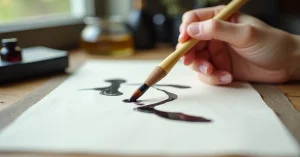
Chinese brushes are an underrated tool for watercolour painting. Their construction – natural hair bundled into a bamboo handle – creates unique mark-making capabilities you cannot replicate with Western brushes.
The SiCON Chinese Brush TT05 is an excellent entry point into Chinese-style brushwork. These brushes hold surprising amounts of water in their thick belly, come to a workable point, and produce beautiful calligraphic strokes with natural variation.
Chinese brushes excel at painting bamboo, tree branches, grasses, and any subject where organic, variable line quality adds character. Many Sri Lankan artists use them for loose botanical painting and landscape work.
Water brush pens have a built-in water reservoir in the handle. You squeeze the barrel to feed water to the brush tip. No separate water cup needed.
The Refillable Water Brush Pens (6-piece set) comes in multiple tip sizes from fine to broad. They are the ultimate plein air (outdoor) painting tool.
Water brush pens are NOT a replacement for traditional brushes. They lack the precision, spring, and variety of marks that a proper round brush offers. Use them for convenience and portability, but keep traditional brushes for serious studio work.
Do not buy 20 brushes. Start with these four and add more only when you understand what you are missing:
Total cost: less than you would spend on two meals out. This kit covers every beginner technique from flat washes to detailed flowers.
Good brush care doubles or triples the lifespan of your brushes:
| Factor | Natural Hair | Synthetic |
|---|---|---|
| Water capacity | Excellent – holds more water, longer strokes | Moderate – needs more frequent reloading |
| Point/snap | Excellent spring and point | Good, but can feel “bouncy” rather than responsive |
| Price | Higher (especially kolinsky sable) | Very affordable |
| Durability | Moderate – requires careful handling | High – tough and low maintenance |
| Eco/ethical | Animal-derived | Synthetic (no animal products) |
| Best for | Studio painting, glazing, serious work | Beginners, outdoor painting, budget builds |
Our recommendation: start with synthetic, then add a good natural-hair round brush when you are ready to invest. The difference in performance is noticeable, especially for wet-on-wet work and glazing.
All brushes mentioned in this guide are available at Watercolor.lk with islandwide delivery. Browse our full brush collection to see current stock and pricing.
We stock brushes that we have personally tested and trust for watercolor work. No generic stationery brushes that shed and lose shape after three uses.
Four is the practical minimum: a large round (size 8-10), a small round (size 4-6), a wash brush, and a water brush for travel. Most professional watercolorists use 3-5 brushes for a typical painting.
For beginners, no. A good synthetic brush at an affordable price outperforms a cheap “professional” brush. Invest in better brushes once you can feel the limitations of what you have – you will know when you are ready.
Yes. Gouache is essentially opaque watercolor and uses the same brush types. Clean thoroughly after gouache sessions since it is thicker and can build up near the ferrule.
For value and availability in Sri Lanka, the squirrel-blend and Chinese brushes on Watercolor.lk offer the best ratio of performance to price. For pure synthetic options, look for nylon-blend brushes with stiff-yet-flexible filaments.
Ready to build your brush collection? Start with our brushes category and pair them with the right paints and paper for a complete setup.

WhatsApp us
 Login with Google