
Some of the most inspiring moments for watercolor artists happen away from the studio. A golden-hour temple in Kandy, tropical foliage in Sinharaja, the fishing boats at Negombo harbour – scenes like these beg to be captured on the spot, and watercolor is the perfect travel medium. It is lightweight, water-based, quick-drying, and requires minimal equipment compared to oils or acrylics.
The challenge is building a kit that is compact enough to carry comfortably yet complete enough to actually produce good paintings. In this guide, we will walk through each component of a portable watercolor setup, explain what to prioritise, and share practical tips for painting outdoors in Sri Lanka’s climate.
Every portable watercolor setup needs four things: paint, paper, brushes, and water. Everything else is optional. The secret to a good travel kit is choosing the most versatile version of each component and cutting out anything redundant.
For travel painting, pan watercolours are the obvious choice. They are dry, compact, self-contained in a palette, and ready to use with just a damp brush. There is no risk of tubes leaking in your bag, no squeeze caps to fumble with, and no palette setup required.
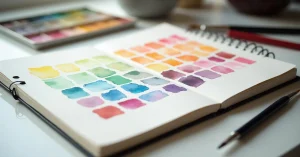
A travel palette of 12 to 14 pans covers virtually any subject you will encounter outdoors. The key is choosing paints with strong pigment properties and good mixing potential. A warm and cool version of each primary colour, plus a few earth tones and a green, gives you the ability to mix hundreds of hues.
A set like the Sinours 14-pan set is an excellent travel option. It comes in a compact metal case that doubles as a mixing palette, two brushes included, and the colour range is well-chosen for landscape and nature subjects. The case fits in a jacket pocket or small bag pouch.
If you prefer tubes, you can squeeze small amounts into an empty palette and let them dry before your trip. This gives you the pigment richness of tube paint in a pan-like format. Cotman 8ml tubes squeeze out economically and re-wet beautifully once dried.
The right sketchbook is arguably the most important part of your travel kit, because it determines both what you can paint and how portable your setup is.
Look for a sketchbook that has watercolor-friendly features: paper weight of at least 200gsm (ideally 300gsm), minimal buckling, and a hardcover that lets you paint without a table. A landscape or square orientation works well for travel sketches since most outdoor scenes are wider than they are tall.
Size matters for travel. An A5 sketchbook hits the sweet spot between workspace and portability. It is large enough for detailed paintings but fits easily in a daypack or tote bag. A4 gives more painting room but is noticeably heavier to carry all day.
The best watercolor sketchbooks available in Sri Lanka include options from Potentate and other brands that balance paper quality with portability. A hardcover sketchbook also protects your finished paintings during travel.
You do not need your full brush collection when painting on the go. Two or three brushes cover most outdoor subjects, and choosing wisely means you can handle everything from broad washes to fine details.
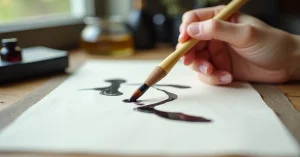
Water brush pens are designed specifically for portable painting. They have a built-in water reservoir in the handle, eliminating the need for a separate water container for most work. Squeeze the barrel gently and water flows through the bristles. A set of refillable water brush pens in different tip sizes gives you remarkable versatility in a tiny package.
Water brush pens are ideal for quick sketches, urban sketching sessions, and situations where you cannot set up a full water station. The medium round tip handles most work, while a fine tip is useful for adding details and text labels to location sketches.
If you prefer the responsiveness of traditional brushes, pack a medium round (size 8 or 10) and a small round (size 4). These two brush sizes can handle 90 percent of outdoor painting tasks. A brush case or wrap protects the tips during transport.
Some artists carry a flat brush for washes, but a large round brush can do most of what a flat does while also handling details. For maximum portability, fewer brushes is always better.
Water is the trickiest component to manage while travelling. You need clean water for mixing, dirty water for rinsing, and ideally a way to keep your paper damp.
A collapsible sketcher’s water cup takes up almost no space when folded flat but opens up to hold enough water for a painting session. These are vastly better than trying to repurpose random cups or bottles. Carry a small water bottle to fill it, and you are set.
For truly lightweight setups, water brush pens can be your sole water source. Fill the reservoirs at home, and you have enough water for one or two sketchbook paintings without carrying anything else. This approach works best for smaller sketches rather than full-page paintings.
A pocket-sized mist spray bottle is incredibly useful for travel. It reactivates dried pan colours instantly, pre-wets paper areas, and takes up less bag space than a full water container. Fill it from any tap or water bottle when needed.
For maximum portability when you are not sure if you will paint, carry just three items: a compact pan set with built-in palette, a water brush pen, and a pocket-sized sketchbook. This entire setup weighs under 300 grams and fits in a cargo pocket or small purse.
For dedicated painting trips, expand to: a 12-14 pan palette, two water brush pens plus one traditional round brush, an A5 hardcover sketchbook, a collapsible water cup, a small spray bottle, a few paper towels or a small cloth, and a pencil for sketching compositions.
In Sri Lanka, sudden rain can appear quickly, especially in the hill country and during monsoon seasons. Keep your sketchbook and palette in a zip-lock bag inside your backpack. A small plastic bag also works for protecting a half-finished painting during a rain interruption.
Sri Lanka’s tropical climate presents both opportunities and challenges for outdoor watercolor painting.
In dry zones like the North Central Province or during the dry season along the coast, paper dries extremely fast. This is wonderful for layering techniques like glazing, where you want each layer to dry before adding the next. But it makes wet-on-wet techniques challenging because your working window is very short.
Work in shade whenever possible, and use your spray bottle to extend drying time on areas you are actively painting. Painting in the early morning or late afternoon avoids the harshest midday heat and also gives you the most beautiful light for landscape work.
In the wet zone or during monsoon season, high humidity means paint takes longer to dry. This is actually ideal for wet-on-wet techniques and creating soft, atmospheric paintings. The trade-off is that you need to be patient between layers and careful about closing your sketchbook before paintings are fully dry.
For travel painting, heavier paper (300gsm) handles outdoor conditions better than lighter weights. It buckles less from repeated wetting, tolerates mistakes and corrections, and survives being transported in a bag without warping. Cold press texture is the most versatile choice for outdoor subjects, handling both washes and details well.
Start with a simple subject. A single tree, a building facade, or a view across a paddy field. You do not need to capture an entire panorama on your first outing. Smaller, focused subjects are easier to complete before the light changes dramatically.
Sketch your composition lightly in pencil first. Outdoor scenes have many competing elements, and a quick pencil outline helps you commit to your composition before you start applying paint.
Time yourself loosely. Give yourself 30 to 45 minutes for a travel sketch. This prevents overworking and encourages freshness. Some of the most charming plein air watercolours are quick, spontaneous studies rather than laboured finished paintings.
Do not worry about perfection. Travel sketches are meant to capture a moment, an atmosphere, a feeling. They are visual notes, not gallery pieces. This mindset frees you to experiment and enjoy the process.
You do not need to buy everything at once. Start with the minimal kit – a pan set, a water brush pen, and a small sketchbook. Try a few outings and discover what you actually miss, then add those items. Some artists find they prefer a dedicated mixing palette; others want a specific brush type. Let your experience guide your purchases.
If you are just getting started with watercolor, building your studio setup and travel kit simultaneously is a smart approach. Many items serve double duty. Your pan palette works at home and on the road, your travel sketchbook is perfect for practice sessions, and your water brush pens are convenient for quick studio studies too.
The best travel kit is the one you actually carry with you. Keep it simple, keep it light, and you will find yourself painting in places you never expected, and that is where the most memorable watercolour moments happen.

WhatsApp us
 Login with Google